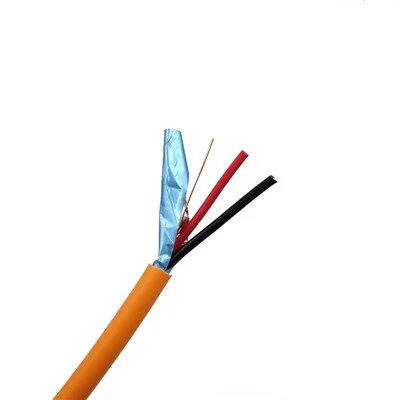
From the perspective of materials science, the preference for silicone-insulated wire stems primarily from the unique molecular structure of its silicone rubber insulation. This structure grants the wire exceptional resistance to both high and low temperatures; it can typically operate reliably over long periods within a range of -60°C to 200°C, and can even withstand higher temperatures for short durations.
Furthermore, silicone rubber possesses inherent chemical stability, making it highly resistant to degradation from ozone, ultraviolet (UV) radiation, and various chemical agents. Consequently, in harsh outdoor or industrial environments, silicone-insulated wire offers a longer service life and more consistent electrical performance compared to standard PVC-insulated wire.