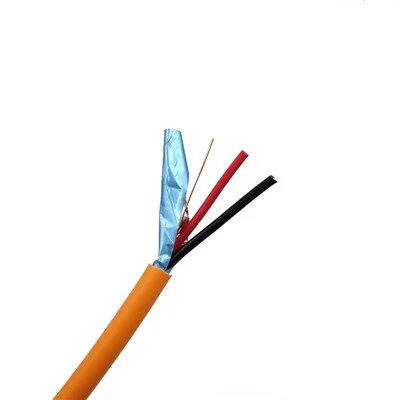
A common mistake among those new to procurement is approaching project acceptance as if they were simply buying household appliance accessories. If cable runs exceed 10 meters, or if amplifiers are expected to operate under high-dynamic conditions, it is essential to select professional-grade cables with clearly specified current-carrying capacity. Furthermore, the treatment of connections is critical; for professional installations, terminals should be attached via cold-pressing and sealed with heat-shrink tubing. Simply wrapping connections in electrical tape is strictly prohibited, as excessive contact resistance not only degrades sound quality but also creates a potential fire hazard.
In short, a good rule of thumb is: use thick, shielded cables for long distances or high-volume applications, and thinner, more convenient cables for shorter distances or lower-volume settings. Always verify the cable gauge specifications during project acceptance.